1 Day in Beirut
Your perfect day — from morning to evening
Beirut Travel Update for May 2026: A Seasonal Guide
As spring transitions into summer in Beirut, the city is basking in a warm and inviting climate, with temperatures ranging from a pleasant 20°C to a balmy 30°C. Light cotton clothing, sunglasses, and a wide-brimmed hat are essential for navigating Beirut’s bustling streets and outdoor venues.
May brings a vibrant lineup of events and festivals, including the renowned Beirut Marathon Festival, which celebrates athleticism and community spirit with a week-long series of races and cultural activities. Additionally, art enthusiasts won’t want to miss Art Week at Sursock Museum, featuring dynamic exhibitions that highlight both local talent and international collaborations.
Visiting in May offers a balance between the mild spring weather and the approaching summer heat, making it an ideal time for exploring Beirut’s historical sites and scenic coastal areas. However, be mindful of potential afternoon showers; carrying an umbrella or light raincoat is advisable.
Tips:
1. Take advantage of early morning hours to explore the markets like Hamra Street without the midday crowds.
2. Join a guided tour to discover lesser-known archaeological sites that are less crowded than their more famous counterparts.
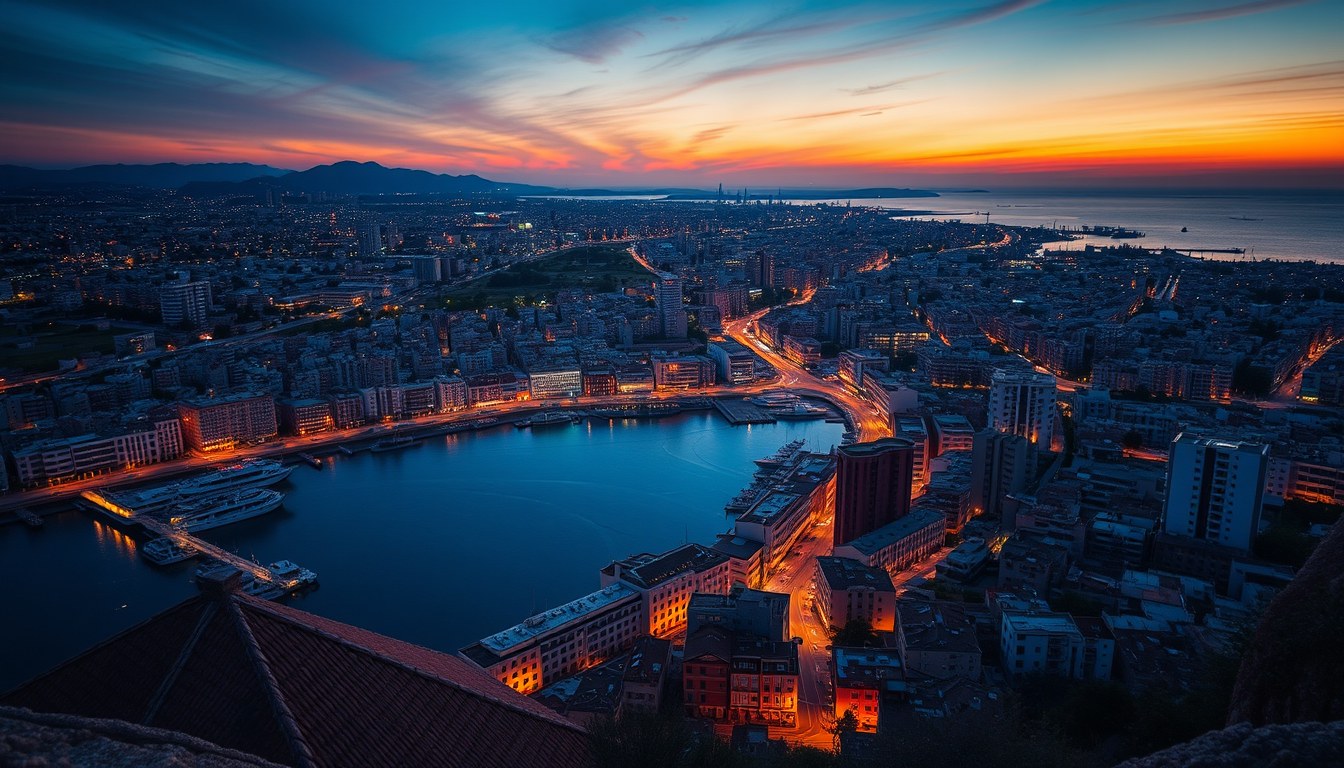
3. Enjoy rooftop dining at sunset, where you can savor Lebanese cuisine while watching the city come alive with evening light.
Next, make your way to Museum of Lebanese Prehistory, located at the American University of Beirut (AUB), a short drive from the market. The museum is a hidden gem that showcases ancient artifacts and tells the story of Lebanon's earliest inhabitants. It opens at 8 AM on weekdays, offering a serene contrast to the bustling city.
Tips: Start your day early as markets tend to close around noon. Don't forget to bring cash for vendors in Bab El Shams – while some accept cards or digital payments, it’s safer and more convenient to carry local LBP (Lebanese pounds).
Afterwards, take a leisurely walk to Hamra Street (also known as "The Avenue"), the city's cultural hub filled with art galleries, cafes, bookstores, and cinemas. Spend some time browsing through the pages at Librarie Al-Muwashah, an iconic bookstore that has been in business since 1953, or grab a coffee at Café Ottoman.
For something truly unique, stop by the Beirut Souks – a newly renovated area around the old markets. You can wander through the modern boutiques and art galleries before heading to the Grand Serail, the official residence of Lebanon's prime minister, which offers guided tours that shed light on Beirut’s political landscape.
Post-dinner, enjoy Beirut’s nightlife by hitting one of its buzzing nightclubs. Barbary in Gemmayzeh is a popular spot for cocktails and live music. Alternatively, if you're looking for something quieter, try out the rooftop bar at Le Gray Hotel, where you can sip on a Lebanese gin cocktail while enjoying panoramic views over the city.
1. Baalbeck Ruins: A UNESCO World Heritage site featuring Roman temples in awe-inspiring condition. Despite being located outside Beirut (approximately 80 km north), it's worth making the trip for its historical significance and architectural beauty.
2. Byblos Castle & Phoenician Temple: Located about an hour away by car, this ancient coastal city offers a glimpse into Lebanon’s rich history dating back to the Phoenician era.
1. Local Markets Are A Must: While Hamra Street is vibrant and trendy, don't miss out on exploring local markets like Souk El Tayeb in Beirut or Souk Al Saray in Tripoli for authentic Lebanese products.
2. Street Food Is King: Look out for street food vendors selling dishes like shawarma or kibbeh at unbeatable prices. They often use fresh ingredients and offer a taste of authentic Levantine cuisine.
3. Public Transportation Can Be Challenging But Worth It: Buses are the most affordable way to get around, but they can be crowded during rush hours. Taxis are readily available and more comfortable for longer distances.
Getting Around: The easiest ways to navigate Beirut include taxis, ride-hailing apps like Careem or Uber, and buses. While public transport is cheap, it’s often less reliable than driving or taking a cab.
Best Time To Visit: Spring (March-May) and Autumn (September-November) offer the best weather for exploring the city without the heat or humidity of summer.
Money Tips: Credit cards are widely accepted in major hotels and restaurants but not so much at smaller shops or markets. It’s wise to carry some cash, especially LBP since foreign currencies like USD can be exchanged almost everywhere.
Safety: Beirut is generally safe for travelers during daylight hours; however, it's always a good idea to avoid isolated areas after dark and stay informed about local events that might affect safety conditions.