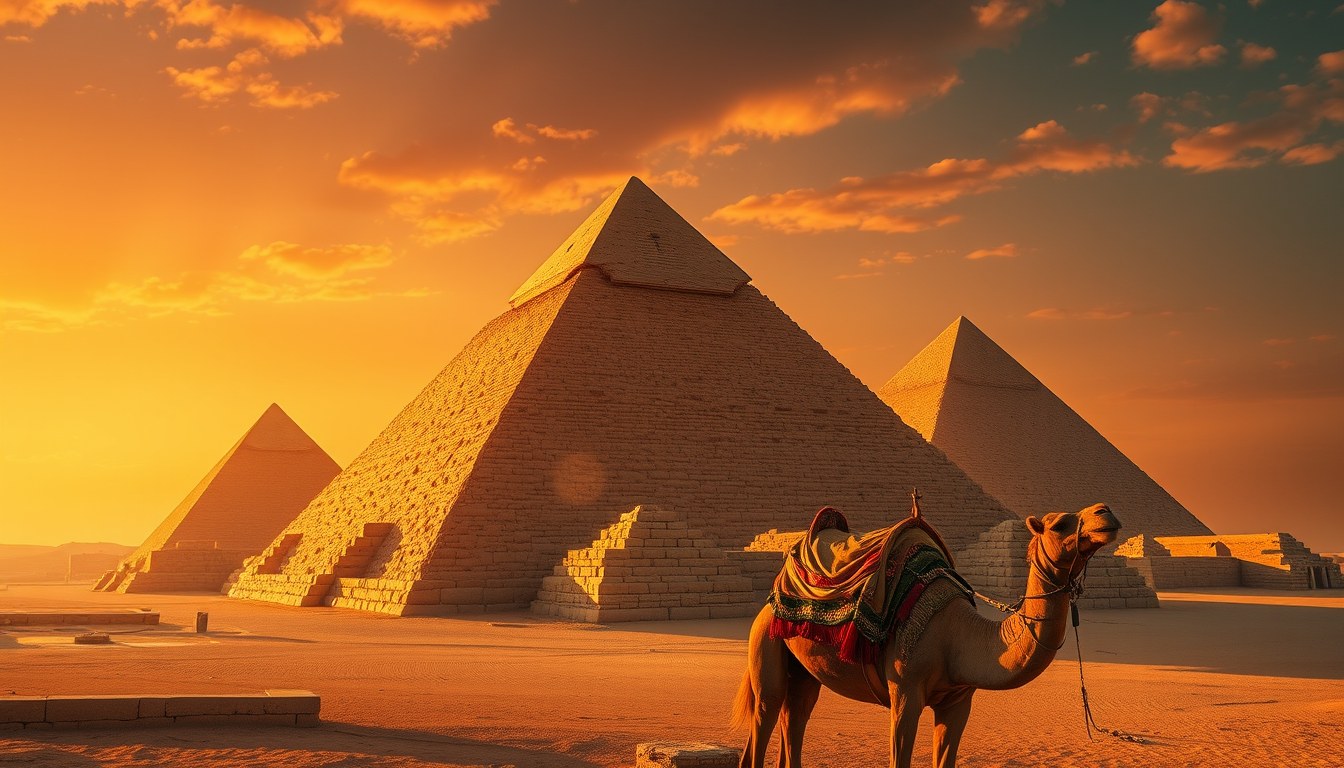
1 Day in Cairo
Your perfect day — from morning to evening
As spring transitions into early summer in May 2026, Cairo offers a delightful climate with warm days and mild evenings, making it an ideal time to explore Egypt’s vibrant capital. Daytime temperatures hover around 30°C (86°F), while nights cool down to a comfortable 17°C (63°F). Lightweight clothing such as cotton shirts, shorts, and skirts are perfect for sightseeing, paired with sturdy walking shoes for the extensive tours of ancient sites.
Cairo's cultural calendar in May is rich with events. The Coptic Easter celebrations, if falling within this month, bring a unique blend of religious traditions to witness. Additionally, the Cairo International Film Festival usually takes place around mid-May, offering a fantastic mix of international and local cinema.
The challenge of visiting Cairo in May lies in its dry and sunny weather, which can be harsh for those unaccustomed to desert climates. However, early morning visits to sites like the Pyramids and Sphinx allow you to avoid the peak heat and crowds. Don’t miss the vibrant bazaars during Ramadan if it overlaps with your visit; they are a sight and sound spectacle.
Tips:
1. Stay hydrated; pack plenty of water and electrolyte drinks.
2. Wear a wide-brimmed hat and use sunscreen for protection from strong sun rays.
3. Explore Cairo’s lush green spaces like Al-Azhar Park, offering respite from the city's heat.
Start your day at Al-Azhar Mosque (Al-Hakim Square, Imam Al-Shafi'i St., Islamic Cairo), one of the oldest continuously run universities in the world. Open daily from 9:00 AM to 2:00 PM and again from 4:30 PM onwards, this mosque is not only a place for worship but also a fascinating insight into Islamic scholarship and culture. Spend about an hour walking around its courtyard, admiring the intricate designs of the ancient stone walls, and perhaps even attending a prayer session if you are there during that time.
Once you're done with your visit, make your way to Cairo Tower (Zamalek, Cairo) for a spectacular panoramic view over the city skyline. Optimal visiting time is 4:30 PM to sunset when the lights start twinkling and the Nile glows under the setting sun. The tower restaurant also offers delicious Middle Eastern cuisine if you wish to have dinner with a view.
1. Pyramids of Giza: These ancient wonders are a mandatory stop for any first-time visitor to Egypt. The Pyramids, including the Great Pyramid of Khufu and the Sphinx, offer not only awe-inspiring architecture but also deep insights into ancient Egyptian civilization.
2. Islamic Cairo (Al-Hussein District): A labyrinthine area filled with historic mosques, narrow alleyways, and bustling souks. It’s a living testament to medieval Islamic architecture and daily life in old Cairo.
1. Explore Souq Al-Moski: If you're interested in Egyptian street culture, this lesser-known market is more authentic than Khan El Khalili, offering everything from used books to hand-embroidered clothes at bargain prices.
2. Visit during Ramadan iftar: Experience the communal spirit of breaking the fast with locals. Street vendors set up stands selling traditional dishes and drinks like qamar al-din (apricot paste) and karkadeh (hibiscus tea).
3. Try Local Transport: Tuk-Tuks: While taxis are convenient, tuk-tuks offer a fun and immersive way to see the city from street level.
Getting Around: The Cairo metro system is efficient for getting around major tourist areas like Tahrir Square and Giza. For longer distances or more specific locations, Uber and Careem (local version of Uber) are reliable options. Remember that traffic can be intense during peak hours, so allow extra time.
Best Time to Visit: Spring (March-May) and Autumn (September-November) offer pleasant weather with mild temperatures ideal for sightseeing. Summer can be very hot, while winter might bring occasional rain but is generally cooler.
Money Tips: It's wise to have a mix of cash and cards since some smaller shops or food stalls may only accept cash. Also, ATMs are widely available in tourist areas.
Safety: Stay aware of your surroundings, especially around crowded places like markets. Keep valuables secure and avoid displaying expensive items openly. The Egyptian Museum has security measures but take care to not lose track of personal belongings while exploring exhibits.