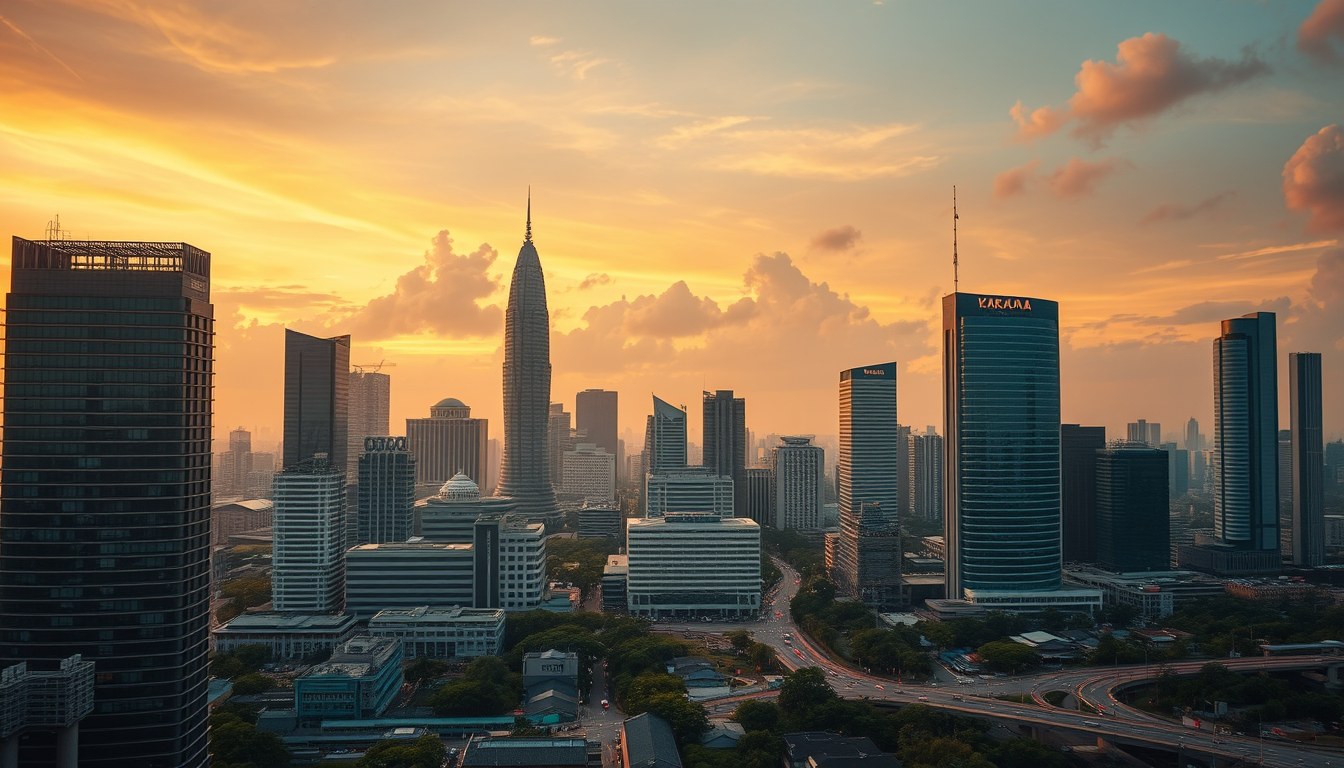
1 Day in Jakarta
Your perfect day — from morning to evening
As May dawns in Jakarta, a tropical embrace awaits visitors with temperatures hovering around 28°C to 33°C. This is the city's wet season, so expect daily downpours and high humidity. Pack lightweight clothing, breathable fabrics like cotton or linen, and don't forget your rain gear—umbrellas or ponchos are essential.
May sees a flurry of cultural events, with the Jakarta Great Mosque Ramadan Night Prayers drawing devotees nightly for spiritual reflection. The Indonesian National Day Celebrations in early June often have their preliminary activities kickstarting around this time, adding to the festive atmosphere. While the weather can be challenging, May offers an authentic glimpse into the city's vibrant Islamic traditions and bustling Ramadan markets.
To make the most of your visit:
1. Explore local mosques during non-prayer times for a deeper understanding of Jakarta’s religious culture.
2. Sample traditional Indonesian dishes like rendang and sate at night markets that thrive despite the weather.
3. Visit parks or malls with indoor attractions to escape the rain, such as Taman Impian Jaya Ancol.
Jakarta in May is a mosaic of cultural richness and atmospheric challenges—perfect for those seeking an immersive experience.
8:00 AM - Taman Suropati Park
10:30 AM - Istiqlal Mosque
From Taman Suropati, head north towards the iconic Istiqlal Mosque (Jl. Imam Bonjol No.2, Menteng, Central Jakarta). This is the largest mosque in Southeast Asia and one of the biggest in the world. It’s open to both locals and visitors for prayer sessions or guided tours. Ensure you dress modestly with long sleeves and pants if entering the mosque premises.
2:00 PM - Old Town Exploration
Head to Kota Tua (Old Town) located in the heart of north Jakarta. Start your tour at Sunda Kelapa Port (Jl. Pangeran Jayakarta No.193, Penjaringan), where traditional wooden ships sail daily and you can witness the bustling maritime culture up close.
4:00 PM - Fatahillah Museum
Next, visit the Fatahillah Museum (Jl. Taman Fatahillah No.1, Kota Tua, North Jakarta) housed in an old Dutch colonial building. The museum offers a fascinating look into the history of Jakarta and Indonesia with its extensive collection of historical artifacts.
Tip: Old Town is best explored on foot or by rented bicycle to fully appreciate its charm and architecture.
Dinner: For dinner, head to Glodok (Jl. Hayam Wuruk No.138, Karet Bivak, West Jakarta), the heart of Jakarta’s Chinatown district where you can find traditional Chinese-Indonesian dishes like Bakso Mie and Siomay. Don’t miss out on trying some crispy spring rolls or hot pot at one of the local eateries.
7:30 PM - Ancol Beach
End your day with a relaxing stroll along Ancol Beach (Jl. Raya Pantai Indah, Penjaringan, North Jakarta). The beach area is lively with several water sports activities and amusement parks. It’s also a great spot to catch the sunset.
Istiqlal Mosque
The grandeur of Istiqlal Mosque lies not only in its size but also in its cultural significance, standing as a symbol of Indonesia's religious tolerance and unity. The mosque's architecture blends Islamic design with modern elements, offering visitors a serene space to reflect or simply admire.
Taman Suropati Park
1. Try Kopi Tubruk
Indonesian coffee culture is robust, and one local favorite you should try is "Kopi Tubruk," which means mixed coffee. This simple yet flavorful brew can be found at almost any street corner or café in Jakarta.
2. Explore Senen Market for Local Flavors
Senen Market (Jl. Senen Raya No.38, Senen, Central Jakarta) isn’t just a place to buy spices and ingredients; it’s also where you’ll find unique souvenirs and snacks like Kerak Telor, a special fried rice cake with egg yolk.
3. Take the KRL Commuter Train
Jakarta's commuter rail network is surprisingly efficient for getting around the city. Taking the KRL (Kereta Commuter) from Gambir Station to places like Ancol or Kota Tua can save you time and money compared to taxis, especially if traveling in groups.
Getting Around: The best way to explore Jakarta is via the Mass Rapid Transit (MRT) system, which connects key areas of the city quickly. Buses and KRL trains are also affordable options for covering greater distances efficiently. Taxis or ride-hailing services like Gojek and Grab are widely available but can be pricey during rush hours.
Best Time to Visit: The best time to visit Jakarta is between June and September, when the weather is relatively cool compared to the hot and humid conditions in other months. However, avoid visiting during January to March as this period sees the most rainfall.
Money Tips: Indonesia uses the Indonesian Rupiah (IDR). Credit cards are accepted at major hotels and malls, but cash is often required for street vendors and smaller establishments. ATMs are widely available in central areas, though it's wise to have a small amount of cash on hand for incidental expenses.
Safety: Jakarta can be busy and crowded; keep an eye on your belongings in public spaces and avoid poorly lit streets at night. Be cautious when using ride-hailing apps and ensure the car is from a reputable service like Gojek or Grab.