Marokko
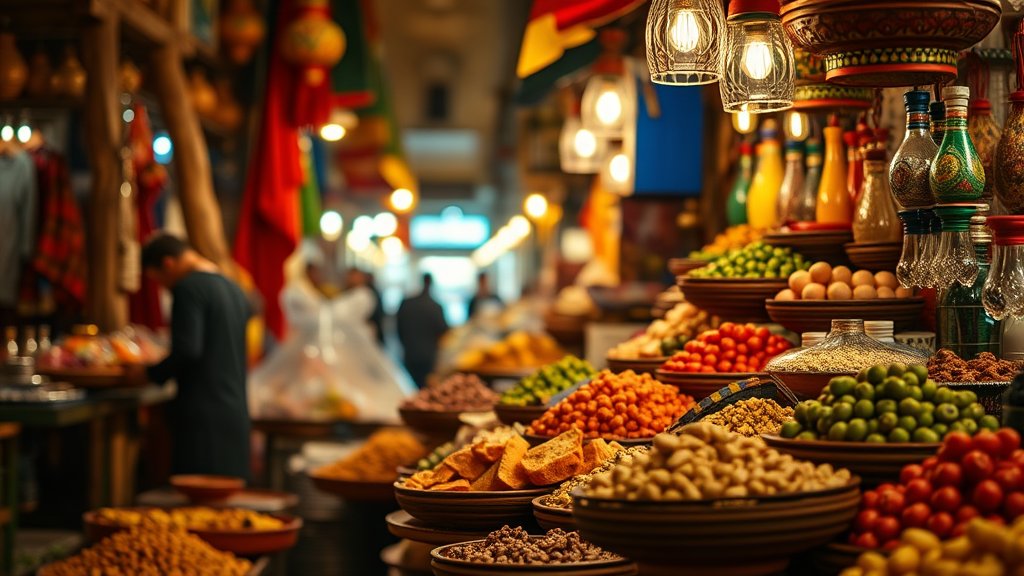
Maroc's culinary landscape is a vibrant tapestry woven from the threads of Arab, Berber, French, and Mediterranean influences, offering an unparalleled dining experience that speaks to both the palate and the soul.
Quick Facts
- Signature dishes: Tagine de pigeon, Couscous Royal, B'stilla
- Best food neighborhood: Jemaa el-Fnaa in Marrakesh
- Average meal cost: $5-$10 USD for a main dish in local cafes and restaurants
- Food market name: Marché Central de Maroc (Casablanca) or Souk El Had (Marrakesh)
- Must-try drink: Mint tea
Must-Try Dishes
The tagine, a slow-cooked stew that allows flavors to meld and deepen, is an essential part of Moroccan cuisine. Its origins lie in the earthenware pot it's prepared in, creating a rich broth around tender meats and vegetables.
B'stilla, a savory-sweet pastry filled with pigeon or chicken, almonds, and cinnamon, offers a taste of Morocco’s sophisticated and unique culinary sensibilities.
Best Time to Visit
The fall season is the ideal time to explore Maroc's food scene as it offers pleasant weather and vibrant festivals that celebrate traditional Moroccan cuisine and culture.
3 Insider Tips
- Join a cooking class: Participate in an immersive culinary experience where locals teach you how to prepare authentic Moroccan dishes, from the preparation of spices to the final plating.
- Eat like a local at Souks: Visit bustling food markets early morning for fresh produce and traditional snacks. This is the best way to taste unpretentious street food that locals love.
- Sip mint tea: A fundamental aspect of Moroccan hospitality, always accept an invitation for mint tea as a symbol of welcome and friendship.